
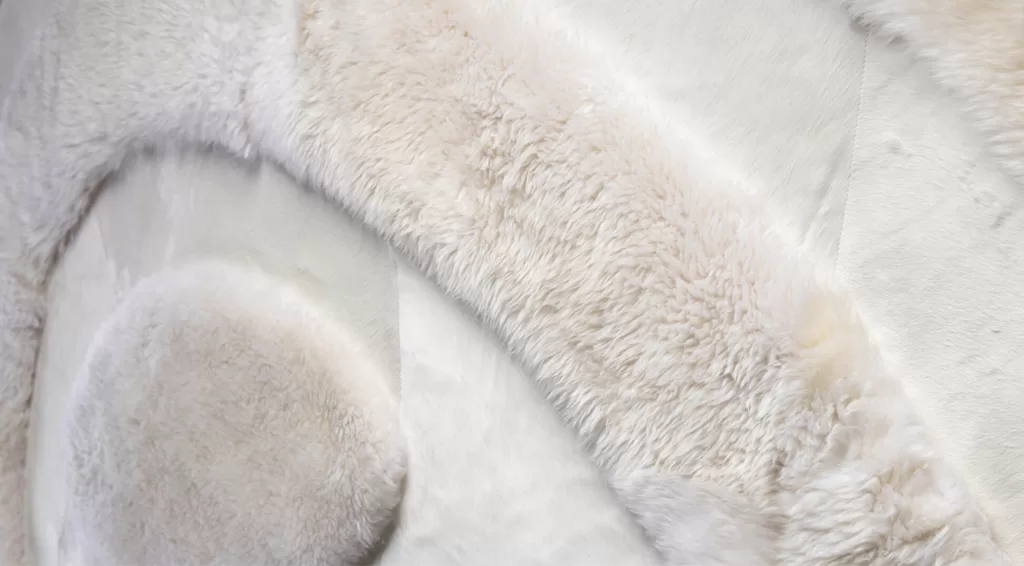

Yerra Luxury Custom Rugs, Cowhide, Shearling & Contemporary Textile Design
Yerra transforms exceptional natural materials into sophisticated contemporary rugs created for highly individual interiors. Known for luxury cowhide rugs, shearling and fur rugs, woven alpaca, hair-on-hide designs, and custom-made floor coverings, Yerra combines meticulous craftsmanship with innovative techniques to create pieces that blur the boundaries between rug, textile, and art.
Every Yerra rug begins with material. Individual hides and furs are selected for their color, texture, flexibility, and character before skilled craftspeople cut, match, dye, stitch, and finish them into carefully composed surfaces. From understated geometric patterns to expressive custom designs, Yerra offers architects and interior designers an unusually versatile resource for introducing texture, warmth, pattern, and natural material into sophisticated residential and contract interiors.
What Is Yerra Known for in Contemporary Rug Design?
Yerra is known for luxurious made-to-order rugs created from premium cowhide, fur, shearling, woven alpaca, and other carefully selected materials.
Rather than treating natural hide simply as a rustic material, Yerra transforms it through precise cutting, color, pattern, stitching, and contemporary design.
The resulting rugs can feel architectural, graphic, organic, restrained, or expressive depending on the design and material selected.
Yerra Transforms Natural Materials into Contemporary Design
Natural hide has been used in interiors for centuries.
Yerra approaches it differently.
Instead of allowing the original shape of a hide to determine the finished object, the material becomes a design medium.
Individual pieces can be cut and recomposed into geometric patterns, subtle tonal fields, stripes, herringbones, circles, architectural grids, and more complex compositions.
The result is a contemporary interpretation of an ancient natural material.
How Are Yerra Custom Rugs Made?
A Yerra rug begins with careful material selection.
Hides and furs are evaluated for characteristics including flexibility, smoothness, sheen, texture, and consistency. Appropriate pieces are then selected according to the requirements of the individual rug.
The material can be cut, matched, dyed, arranged, stitched, and finished according to the chosen design.
Before completion, details such as color consistency, texture, stitching, and hair direction are carefully considered.
This hands-on process gives every rug an individual character.
Yerra Custom Rugs Are Made to Order
Customization is fundamental to Yerra.
A rug can be developed around the dimensions, shape, color, and finish required for a particular project.
This is especially valuable for architects and interior designers working with rooms that cannot be resolved effectively with standard rug dimensions.
Instead of designing the furniture plan around an available rug size, the rug can respond to the architecture.
How Does a Custom Yerra Rug Work?
The process begins with the room.
Consider its dimensions, furniture layout, circulation, architectural features, and desired visual effect.
The rug size and shape can then be established.
Next comes material, pattern, color, and finish.
Because Yerra works with made-to-order production, these variables can be coordinated to create a rug specifically suited to the interior rather than selecting the closest available standard option.
Custom Sizing Helps a Rug Relate to Architecture
Rug scale can dramatically affect the perception of a room.
A rug that is too small can make a furniture grouping feel disconnected.
One that is appropriately proportioned can visually connect sofas, chairs, tables, beds, or dining furniture into a cohesive composition.
Custom sizing allows the rug to respond precisely to those relationships.
Custom Shapes Create New Design Possibilities
Not every room calls for a rectangle.
Curved furniture, unusual architecture, round dining tables, irregular circulation, and custom millwork can all suggest alternative rug shapes.
A bespoke Yerra rug can respond to these conditions, allowing the floor plane to become part of the overall design concept.
Color Can Be Tailored to the Interior
Color is particularly important when specifying natural-material rugs.
A subtle shift in tone can determine whether a rug disappears quietly into the architecture or becomes one of the strongest elements in the room.
Yerra’s extensive approach to color gives designers the ability to coordinate rugs with upholstery, stone, wood, wall finishes, artwork, and other elements within the interior.
How Do You Choose the Right Color for a Yerra Rug?
Begin with the role the rug needs to play.
If it should create a quiet foundation, look toward colors related to the surrounding architecture and upholstery.
If the rug should define the room, stronger contrast may be appropriate.
Also consider natural and artificial light.
Because hide and fur possess texture and sheen, the same color can appear different as lighting changes throughout the day.
Cowhide Is Central to the Yerra Collection
Cowhide provides a remarkable combination of durability, natural variation, texture, and visual depth.
Yerra uses the material as the basis for an extensive range of patterns and compositions.
Rather than presenting cowhide only in its natural outline, the company cuts and assembles it into sophisticated contemporary surfaces.
Contemporary Cowhide Rugs Can Feel Highly Architectural
Precise geometry changes the character of cowhide.
Straight lines and carefully controlled seams create order.
Repeated modules establish rhythm.
Directional changes alter the way light reflects from the hair.
The resulting surface can feel almost architectural despite being inherently soft and tactile.
Hair Direction Adds Subtle Movement
Hair-on-hide responds to light differently depending on direction.
When adjacent pieces are rotated or arranged intentionally, their surfaces reflect light at different angles.
This can create subtle tonal variation even when the material is technically the same color.
Yerra can use this characteristic as part of the design rather than attempting to eliminate it.
Herringbone Gives Cowhide a Tailored Character
Herringbone is familiar from wood floors, textiles, and tailored clothing.
Applied to cowhide, the pattern creates a fascinating combination of precision and natural texture.
The geometry feels ordered while the material prevents the surface from becoming mechanical.
This makes herringbone particularly versatile for sophisticated contemporary interiors.
Parquet-Inspired Patterns Connect Rugs with Architecture
Patterns inspired by parquet flooring create another connection between textile and architecture.
Geometric modules can echo the organization of wood flooring while introducing a completely different tactile quality.
The rug becomes both a surface and a reinterpretation of an architectural pattern.
Stripes Bring Graphic Clarity to Natural Hide
Striped patterns emphasize direction and proportion.
Depending on scale and color contrast, stripes can be quiet or dramatic.
Long linear compositions can visually extend a room, while smaller repeated stripes introduce texture without overwhelming surrounding furniture.
Geometric Rugs Can Organize Open-Plan Interiors
Large open spaces often need visual structure.
A geometric rug can help establish that structure without adding walls.
The pattern creates a clear center.
Furniture gains a visual foundation.
Circulation remains open.
For contemporary architecture, this can be an especially effective way to define zones.
Yerra Shearling Rugs Introduce Exceptional Softness
Shearling brings an entirely different tactile quality to the collection.
Its soft pile creates warmth and depth while responding beautifully to changing light.
In a bedroom, dressing room, lounge, or intimate seating area, shearling can introduce an immediate sense of comfort.
What Makes a Shearling Rug Different from a Cowhide Rug?
Cowhide generally creates a flatter, more graphic surface.
Shearling introduces greater depth and softness.
Cowhide can emphasize pattern and precision.
Shearling emphasizes tactility and warmth.
Neither is inherently better—the appropriate choice depends on the room, desired experience, and overall design concept.
Shearling Creates Luxury through Texture
Some interiors require very little pattern.
In these spaces, texture becomes particularly important.
A shearling rug can introduce richness without adding complicated graphics or strong color.
The material itself provides the visual interest.
Fur Rugs Create Extraordinary Tactile Depth
Yerra’s fur category explores materials with deeper and more expressive texture.
These rugs can become highly tactile focal points, particularly in bedrooms, dressing areas, lounges, libraries, and other spaces where softness contributes to the emotional character of the room.
Woven Alpaca Expands the Yerra Material Vocabulary
Yerra also works with woven alpaca, extending its collection beyond hide and fur.
Alpaca brings softness, warmth, and a refined textile character.
This provides designers with another way to incorporate Yerra’s material sensibility into interiors where a woven surface may be more appropriate.
How Does Woven Alpaca Change the Character of a Room?
Woven alpaca tends to read more like a luxurious textile than a graphic hide composition.
Its softness can make a room feel quieter and warmer.
Used beneath a sofa grouping, beside a bed, or in an intimate seating area, it can create a tactile foundation without demanding visual attention.
Yerra Combines Craftsmanship with Technology
Although craftsmanship is fundamental to Yerra, the brand also explores contemporary production techniques.
Precision cutting and innovative dyeing processes allow natural materials to be transformed in ways that would be difficult to achieve through conventional rug-making alone.
Technology expands the design vocabulary while hand craftsmanship preserves the individuality of the finished piece.
Laser Techniques Create New Possibilities in Hide
Laser processes allow designers to introduce precise surface treatments and detailing.
This creates possibilities beyond conventional cutting and stitching.
Patterns can become more intricate.
Surface effects can become more controlled.
Natural hide becomes a platform for contemporary experimentation.
Dyeing Expands the Natural Color Palette
Natural hide provides beautiful colors on its own, but dyeing dramatically expands the creative possibilities.
Blues.
Greens.
Warm neutrals.
Deep browns.
Greys.
Black.
Metallic effects.
And other colors can move cowhide beyond its expected visual associations.
This allows the material to participate in a much wider range of interiors.
Yerra Rugs Can Be Quiet or Dramatic
One of the strengths of the collection is its range of expression.
A tonal hide rug can almost disappear into a room.
A geometric composition can establish architectural rhythm.
A saturated color can become a focal point.
A deep shearling rug can make texture the dominant experience.
The designer can determine how assertive the rug should be.
Perspective Creates a Strong Graphic Statement
Perspective demonstrates Yerra’s ability to turn cowhide into a highly graphic contemporary composition.
Geometry and directional changes create visual movement across the floor.
In a restrained interior, this type of rug can function almost like artwork beneath the furniture.
Maze Explores Repetition & Direction
Maze uses geometry to establish rhythm and movement.
The pattern demonstrates how repeated lines can change the way a floor is perceived.
Used in a living room, lounge, or other open area, it can help define a zone while adding graphic energy.
Metropolis Brings an Urban Geometry to Cowhide
Metropolis suggests the organization and density of an urban plan.
Its graphic structure gives natural material a distinctly contemporary character.
This type of design works especially well in architectural interiors where the rug needs enough visual strength to hold its own against stone, concrete, glass, or strong furniture forms.
Composition Celebrates the Possibilities of Hide
Composition reflects Yerra’s broader design philosophy: individual pieces of natural material can be reorganized into something entirely new.
Color, texture, seam, direction, and geometry become components of a larger visual field.
The rug is both crafted object and abstract composition.
Sunburst Uses Direction to Create Energy
A radial pattern creates a different sense of movement from linear geometry.
Sunburst draws the eye outward, making the rug an active component of the room.
This can be particularly effective beneath a round table or in a space organized around a central focal point.
Art Deco Connects Natural Material with Decorative Geometry
Art Deco-inspired geometry provides a natural framework for hide.
Strong lines, symmetry, repetition, and material richness can create a rug that feels decorative without becoming traditional.
This makes the pattern useful for interiors combining contemporary furniture with more glamorous materials.
Greek Key Brings Classical Geometry into a Contemporary Material
The Greek key is one of design history’s most enduring patterns.
Rendered in hide, it gains a new material identity.
The familiar geometry creates a bridge between classical decorative language and contemporary interiors.
Dadaism Shows Yerra’s More Expressive Side
Not every Yerra rug needs to be restrained.
More expressive designs allow pattern and composition to become dominant elements within the interior.
These rugs can be particularly successful in rooms where furniture is relatively quiet and the floor is intended to carry more visual energy.
Natural Variation Makes Every Yerra Rug Individual
Hide, fur, and other natural materials are inherently variable.
Texture changes.
Hair direction changes.
Subtle tonal differences appear.
These characteristics prevent a natural-material rug from feeling mechanically reproduced.
Even within a carefully controlled design, the material retains its own identity.
Why Does Material Selection Matter in a Yerra Rug?
The quality of the raw material affects almost every aspect of the finished rug.
Color consistency.
Texture.
Softness.
Sheen.
Durability.
The way individual pieces connect.
The way light moves across the surface.
Yerra’s emphasis on material selection is therefore fundamental to both appearance and performance.
Yerra Emphasizes Responsible Material Use
Yerra states that its materials are repurposed from by-products or industry waste rather than produced solely for the rug itself.
This approach gives existing materials another life while supporting the brand’s emphasis on longevity and careful craftsmanship.
For clients and design professionals evaluating material choices, this provides an important part of the Yerra story.
Longevity Is an Important Part of Sustainable Design
Sustainability is not only about material origin.
How long a product remains useful also matters.
A well-made custom rug designed specifically for an interior has the potential to remain relevant through changing furniture, art, and decorative layers.
Quality and longevity can therefore become part of the sustainability equation.
Yerra Rugs Add Warmth to Minimal Architecture
Minimal architecture often relies on hard surfaces.
Stone.
Concrete.
Glass.
Plaster.
Metal.
Wood.
A Yerra rug can introduce softness and tactile variation without compromising the clarity of the architecture.
This contrast is one of the strongest applications for natural-material rugs.
Cowhide Creates Contrast with Natural Stone
Stone and hide have very different visual characteristics.
Stone is hard and geological.
Hide is soft and organic.
Placing them together emphasizes the qualities of each material.
A carefully proportioned Yerra rug can soften a stone floor while allowing the stone to remain visible around it.
Yerra Rugs Complement Wood Interiors
Wood and hide share a connection to natural material while offering very different textures.
A tonal cowhide rug can work beautifully over wood flooring because the variation in hair and grain creates depth without requiring strong color contrast.
More graphic patterns can create a deliberate counterpoint.
Rugs Help Control Acoustics in Open Interiors
Large contemporary rooms often contain significant hard surfaces.
These surfaces can reflect sound.
A rug introduces a softer plane that can help create a more comfortable acoustic environment while visually defining the seating area.
This makes the rug both decorative and functional.
Yerra Rugs Can Define a Living Room
In an open-plan interior, the rug often determines where the living room begins and ends.
A properly scaled rug connects sofa, armchairs, and tables into one visual group.
Custom sizing allows this relationship to be resolved precisely.
How Large Should a Custom Living Room Rug Be?
There is no universal dimension.
The appropriate size depends on furniture arrangement and room proportions.
In many substantial interiors, the rug should extend beneath at least the front portion of the major seating pieces.
In larger compositions, placing the entire furniture grouping on the rug can create a more architectural effect.
Custom sizing allows the designer to choose based on the room rather than available inventory.
Yerra Rugs Can Anchor a Dining Room
A dining rug needs enough scale to remain beneath chairs when they are pulled away from the table.
This requires careful planning.
Custom sizing is especially useful because dining tables vary widely in length and shape.
A rug can be developed around the actual table and chair arrangement.
How Do You Size a Custom Rug for a Dining Table?
Begin with the dimensions of the table.
Then account for the space chairs require when occupied and when pulled away from the table.
The rug should provide enough surrounding surface for chairs to remain comfortably within its boundaries.
For custom dining rooms, the architecture and circulation should also be considered.
Yerra Rugs Bring Softness to Bedrooms
Bedrooms benefit enormously from tactile materials.
A rug can soften the transition from bed to floor, improve acoustics, and visually anchor the sleeping area.
Shearling, fur, woven alpaca, and softer hide compositions can all be compelling choices depending on the character of the room.
Custom Rugs Work Beautifully beneath Large Beds
Standard rug dimensions do not always relate gracefully to king-size beds, benches, night tables, and generous primary suites.
A custom Yerra rug can be proportioned around the entire composition.
This produces a more deliberate relationship between furniture and floor.
Yerra Is Ideal for Dressing Rooms & Closets
Dressing rooms invite materials experienced at close range.
Softness underfoot can dramatically change the character of the space.
A custom shearling or fur rug can introduce comfort while reinforcing the sense that the dressing room is part of the luxury experience rather than simply storage.
Yerra Rugs Can Support Art-Focused Interiors
A rug should not always compete with artwork.
Tonal cowhide, subtle geometry, or restrained natural colors can provide texture while allowing paintings, sculpture, photography, and collectible furniture to remain visually dominant.
Conversely, a stronger Yerra design can become part of the art conversation when appropriate.
Yerra Rugs Work with Contemporary Furniture
The precision of many Yerra patterns makes them particularly compatible with modern furniture.
Clean sofa lines can sit against more expressive hide geometry.
Sculptural tables can be grounded by tonal texture.
Minimal chairs can gain warmth from fur or shearling.
The rug provides a tactile counterpoint to furniture form.
Yerra Rugs Are Particularly Effective with Modular Sofas
Large modular sofas need an appropriately scaled visual foundation.
A custom rug can follow the dimensions of the composition and help transform multiple sofa modules into one coherent seating landscape.
This is especially valuable in substantial open-plan residences.
Custom Rugs Give Interior Designers Greater Control
Standard rug inventories inevitably create compromises.
The right pattern may be the wrong size.
The right size may be the wrong color.
The right color may not work with the room’s geometry.
Custom production allows the design process to begin with the project rather than the available product.
Yerra Is a Resource for Architects
Architects often approach the floor as one of the primary planes of an interior.
A custom rug can interact directly with that plane.
Dimensions can align with walls or architectural grids.
Shapes can respond to circulation.
Patterns can reinforce or counter geometry.
Colors can connect with architectural finishes.
The rug becomes part of the spatial concept.
Yerra Is a Resource for Interior Designers
For interior designers, Yerra offers extensive opportunities for customization.
Size.
Shape.
Color.
Material.
Pattern.
Finish.
These variables allow the rug to participate in a highly specific interior concept.
Rather than simply accessorizing a finished room, the rug can be developed alongside furniture and materials from the beginning.
Yerra Rugs Work in Luxury Hospitality Interiors
Hotels, restaurants, private clubs, executive lounges, and other hospitality environments frequently need rugs that respond to unusual dimensions and distinctive design concepts.
Custom sizing and pattern can make Yerra a compelling resource for these projects.
Natural texture also helps create the more residential atmosphere increasingly desired in luxury hospitality.
Custom Rugs Can Define Hotel & Lounge Seating Areas
Large hospitality spaces often contain several seating zones within one room.
Rugs can establish visual boundaries between them without constructing physical barriers.
A different pattern, color, or texture can give each area a distinct identity while maintaining an open plan.
Yerra Rugs Bring Material Luxury to Private Residences
Luxury does not always require decorative excess.
A beautifully made rug can communicate quality through material alone.
The softness of shearling.
The sheen of hide.
The depth of fur.
The refinement of woven alpaca.
These tactile qualities become more apparent as the room is experienced in person.
Why Choose Yerra for a Custom Luxury Rug?
Yerra offers an unusual combination of natural material, contemporary design, customization, craftsmanship, and technical experimentation.
The company does not simply reproduce standard rug patterns in unusual materials.
It explores what hide, fur, shearling, and alpaca can become when treated as sophisticated design media.
For architects and interior designers, that creates a broad range of possibilities—from subtle tonal foundations to highly graphic custom compositions.
Where Can You Experience Yerra Rugs at Scott + Cooner?
Scott + Cooner represents Yerra through our San Francisco, Dallas, and Austin showrooms, giving architects, interior designers, hospitality professionals, and design-conscious clients access to Yerra’s luxury custom rugs and extensive material possibilities.
Our showroom teams can help clients explore cowhide rugs, shearling rugs, fur rugs, woven alpaca, hair-on-hide designs, patterns, colors, custom dimensions, custom shapes, and project-specific applications.
Where Can You Find Yerra Rugs in San Francisco?
Scott + Cooner San Francisco represents Yerra for architects, interior designers, hospitality professionals, and design-conscious clients throughout San Francisco and the Bay Area.
Yerra is particularly well suited to Bay Area interiors where natural materials, contemporary architecture, art, and craftsmanship frequently intersect.
Custom rugs can be developed around city residences, substantial contemporary homes, hospitality projects, and interiors with unusual architectural dimensions.
Yerra Complements San Francisco & Bay Area Architecture
Bay Area architecture often emphasizes material authenticity.
Wood.
Stone.
Concrete.
Glass.
Plaster.
Natural-material rugs introduce warmth and texture while allowing these architectural finishes to remain central to the interior.
A tonal Yerra cowhide rug can quietly support the architecture, while a stronger geometric composition can create intentional contrast.
Yerra Rugs Can Preserve Bay Area Views
Homes designed around views often benefit from lower visual complexity near glazing.
A subtle rug can define the seating area without distracting from the landscape beyond.
Natural colors and tonal patterns can be particularly effective in interiors where the visual focus is San Francisco, the Bay, hills, garden, or surrounding landscape.
Yerra Is Ideal for San Francisco Art-Focused Interiors
San Francisco and the Bay Area have a sophisticated culture of art, architecture, and collectible design.
Yerra can support these interiors in different ways.
A quiet hide rug can provide texture without competing with art.
A bold custom pattern can itself become an important element of the collection.
Custom Yerra Rugs Solve Challenging San Francisco Room Dimensions
Urban architecture does not always conform to standard furniture dimensions.
Irregular rooms, bay windows, architectural columns, unusual circulation, and compact footprints can make standard rug sizes difficult to use.
Custom production allows the rug to respond directly to these conditions.
San Francisco Architects & Interior Designers Can Specify Yerra Through Scott + Cooner
Scott + Cooner San Francisco can assist architects, interior designers, hospitality professionals, and clients with Yerra rugs for residential and contract projects throughout San Francisco and the Bay Area.
Our team can help explore rug dimensions, custom shapes, cowhide, shearling, fur, woven alpaca, patterns, colors, finishes, and relationships with surrounding furniture and architecture.
Where Can You Find Yerra Rugs in Dallas?
Scott + Cooner Dallas represents Yerra for architects, interior designers, hospitality professionals, and design-conscious clients throughout Dallas and North Texas.
Generous Dallas residences provide exceptional opportunities for custom rugs because large living rooms, dining rooms, bedrooms, galleries, and entertaining areas frequently require dimensions beyond conventional retail sizes.
Yerra allows the rug to be designed around the room.
Custom Yerra Rugs Are Ideal for Large Dallas Living Rooms
A substantial modular sofa can require a correspondingly substantial rug.
Standard dimensions may leave the furniture visually disconnected.
A custom Yerra rug can be proportioned to anchor the entire seating arrangement, creating a clear visual center within a large room.
Yerra Adds Texture to Contemporary Dallas Architecture
Stone, plaster, glass, metal, and wood are common throughout contemporary Dallas interiors.
Natural hide, fur, or shearling provides an important tactile counterpoint.
The rug can soften the room without diminishing its architectural clarity.
Yerra Rugs Work Beautifully in Dallas Primary Suites
Large primary bedrooms often include a bed, night tables, bench, lounge seating, and dressing areas.
A custom rug can relate to the entire furniture composition rather than just the bed.
Soft materials can also create a more intimate atmosphere within a substantial architectural space.
Yerra Supports Dallas Art & Collectible Design Interiors
Dallas residences frequently bring together important art, collectible furniture, and sophisticated architectural finishes.
A custom Yerra rug can be developed to support these elements rather than compete with them.
Color and pattern can be carefully calibrated to the broader collection.
Yerra Rugs Can Transform Dallas Entertainment Spaces
Bars, lounges, libraries, game rooms, media rooms, and other entertaining environments provide opportunities for more expressive rugs.
Stronger patterns, unusual shapes, and rich materials can give these rooms their own identities while maintaining continuity with the larger residence.
Dallas Architects & Interior Designers Can Specify Yerra Through Scott + Cooner
Scott + Cooner Dallas can assist architects, interior designers, hospitality professionals, and clients with Yerra for residential and contract projects throughout Dallas and North Texas.
Our team can help develop custom rug sizes, shapes, materials, patterns, colors, and finishes appropriate to furniture layouts and architectural requirements.
Where Can You Find Yerra Rugs in Austin?
Scott + Cooner Austin represents Yerra for architects, interior designers, hospitality professionals, and design-conscious clients throughout Austin and Central Texas.
Yerra’s combination of natural materials, craftsmanship, customization, and contemporary design feels particularly appropriate to Austin and Hill Country interiors.
The rugs can introduce softness and material richness while complementing the strong connection to landscape and natural materials found throughout Central Texas architecture.
Yerra Complements Austin & Hill Country Materials
Limestone.
Concrete.
Plaster.
Steel.
Glass.
Natural wood.
These materials frequently establish the architectural language of Central Texas residences.
A Yerra rug can introduce softness without disconnecting the interior from that natural material palette.
Yerra Rugs Bring Softness to Hill Country Architecture
Hill Country residences often feature substantial rooms, high ceilings, hard flooring, and expansive glazing.
A rug can help bring these spaces back to a more intimate human scale.
Texture improves visual warmth.
The furniture grouping becomes more defined.
The room feels more comfortable.
Custom Rugs Support Austin’s Individual Design Culture
Austin interiors often resist formula.
Clients and designers may combine contemporary furniture, vintage pieces, art, natural materials, and highly personal objects.
Yerra’s customization makes it well suited to this approach because the rug does not need to conform to a predetermined aesthetic.
It can be developed around the individual project.
Yerra Works with Austin’s Indoor-Outdoor Lifestyle
Central Texas homes often maintain strong visual connections with terraces, courtyards, pools, and landscape.
Natural materials help reinforce this relationship.
Hide, shearling, fur, and woven alpaca introduce organic texture within the interior while remaining sophisticated enough for contemporary architecture.
Yerra Rugs Are Ideal for Austin Hospitality Design
Austin’s hotels, restaurants, clubs, creative workplaces, and mixed-use projects often seek interiors that feel individual and residential rather than generic.
Custom rugs can establish that character.
Pattern, texture, and color can create distinctive zones while responding directly to project dimensions.
Austin Architects & Interior Designers Can Specify Yerra Through Scott + Cooner
Scott + Cooner Austin can assist architects, interior designers, hospitality professionals, and clients with Yerra for residential and contract projects throughout Austin and Central Texas.
Our team can help explore custom cowhide rugs, shearling, fur, woven alpaca, rug dimensions, shapes, patterns, colors, finishes, and complete project applications.
Scott + Cooner Represents Yerra in San Francisco, Dallas & Austin
Scott + Cooner’s representation of Yerra in San Francisco, Dallas, and Austin gives architects, interior designers, hospitality professionals, and design-conscious clients access to an extensive range of luxury custom rugs through experienced local showroom teams.
In San Francisco, Yerra can bring natural texture and bespoke scale to Bay Area architecture, art-focused residences, urban interiors, and projects designed around material authenticity.
In Dallas, custom dimensions make Yerra particularly useful for generous living rooms, dining rooms, primary suites, galleries, entertainment spaces, and sophisticated hospitality environments.
In Austin, Yerra’s combination of natural materials, craftsmanship, customization, and contemporary pattern connects naturally with city residences, Hill Country architecture, hospitality projects, and Central Texas’s distinctive material palette.
Across all three markets, Scott + Cooner can help clients explore rug size, shape, material, color, pattern, furniture relationships, architecture, and other project-specific requirements.
Discover Yerra Luxury Custom Rugs at Scott + Cooner
Scott + Cooner represents Yerra in San Francisco, Dallas, and Austin as part of our curated collection of exceptional contemporary furniture, lighting, kitchens, closets, rugs, accessories, outdoor furniture, and international design.
Since 1995, Scott + Cooner has worked with architects, interior designers, hospitality professionals, and design-conscious clients seeking extraordinary modern furniture and design products for sophisticated residential and contract interiors.
Our San Francisco, Dallas, and Austin teams can help you explore Yerra cowhide rugs, shearling rugs, fur rugs, woven alpaca rugs, hair-on-hide designs, geometric patterns, custom sizes, custom shapes, colors, finishes, and bespoke project possibilities.
Whether you are creating a custom rug for a sophisticated San Francisco residence, anchoring a substantial Dallas living room, adding natural texture to an Austin or Hill Country home, or developing a bespoke rug for a hospitality or contract environment, Scott + Cooner can help you explore Yerra’s distinctive combination of luxury rugs, natural materials, contemporary design, craftsmanship, customization, and innovative production techniques.